
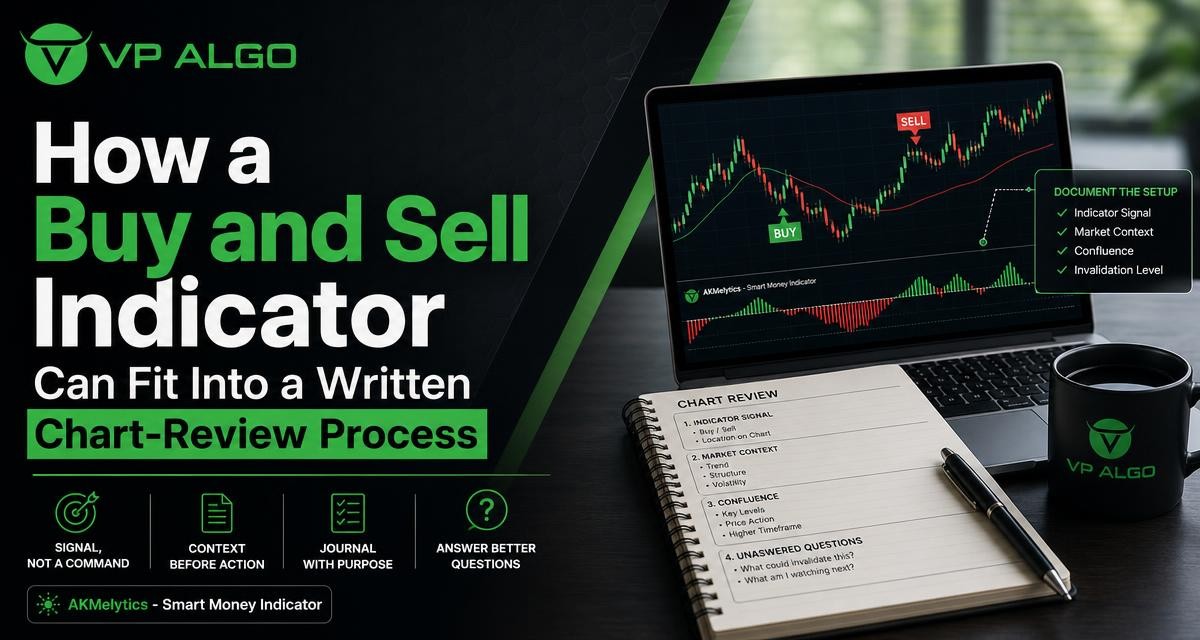
Learn how to use a buy and sell indicator as part of a written chart-review process that records market context, supporting evidence, uncertainty and risk considerations.
VP ALGO TRADING > Blog > Trading Strategy
Learn how to use a buy and sell indicator as part of a written chart-review process that records market context, supporting evidence, uncertainty and risk considerations.
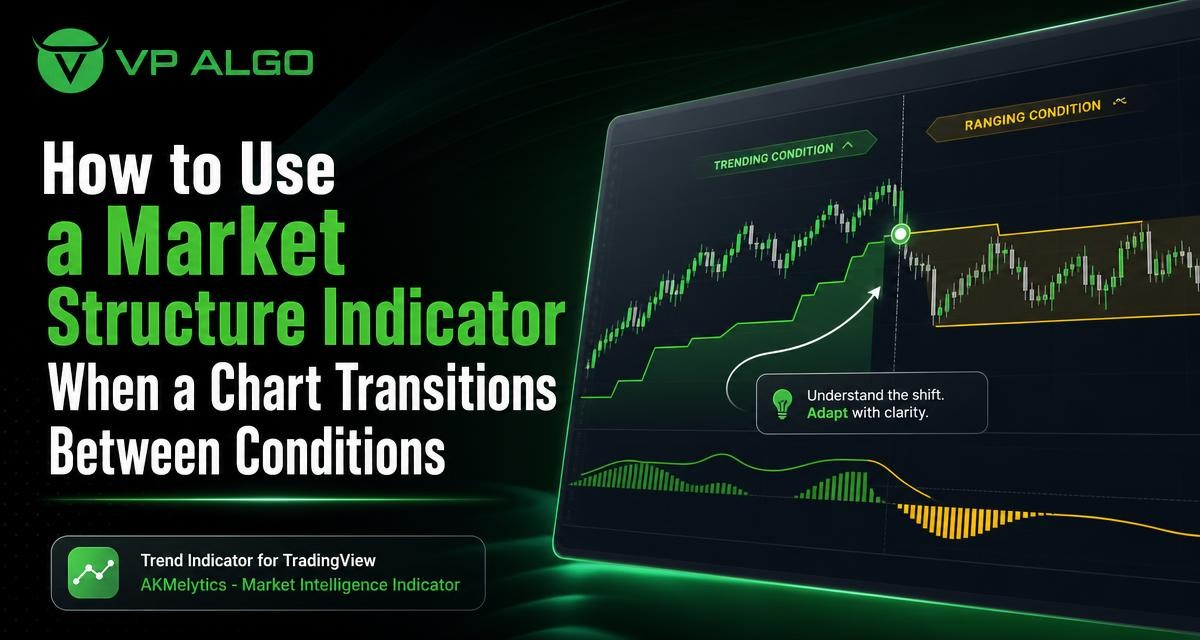
Learn how to review market structure when a chart shifts from directional movement to consolidation, including confirmation questions, timeframe checks and risk-aware analysis.
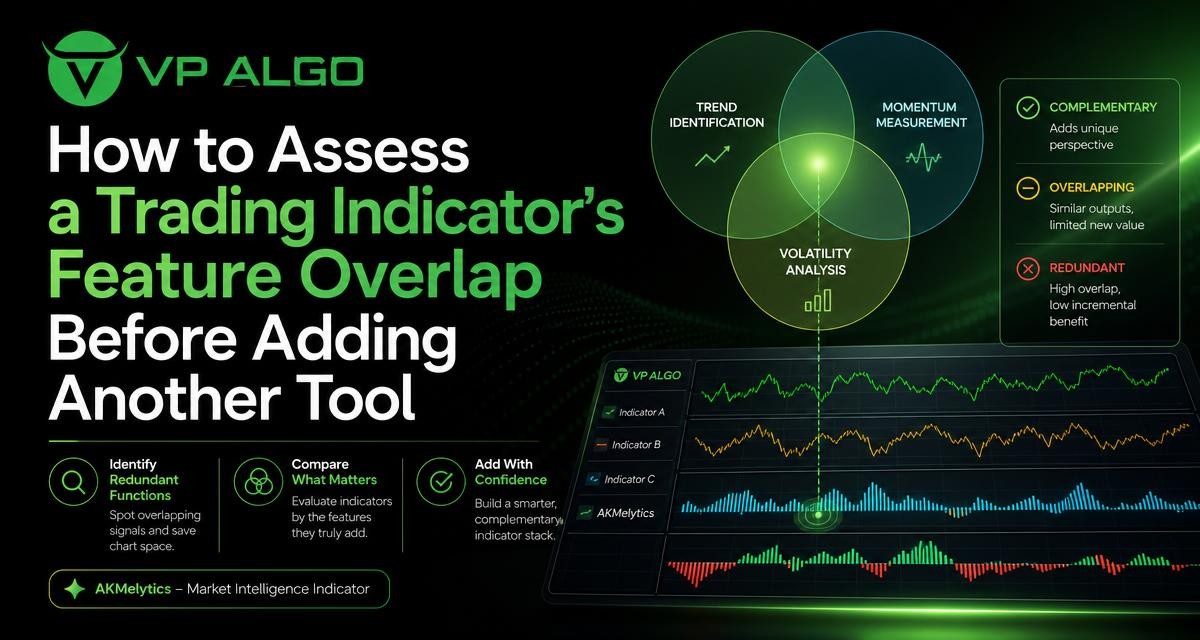
Learn how to compare trading indicators by function, identify duplicated signals, and decide whether a new TradingView tool adds useful analytical perspective.
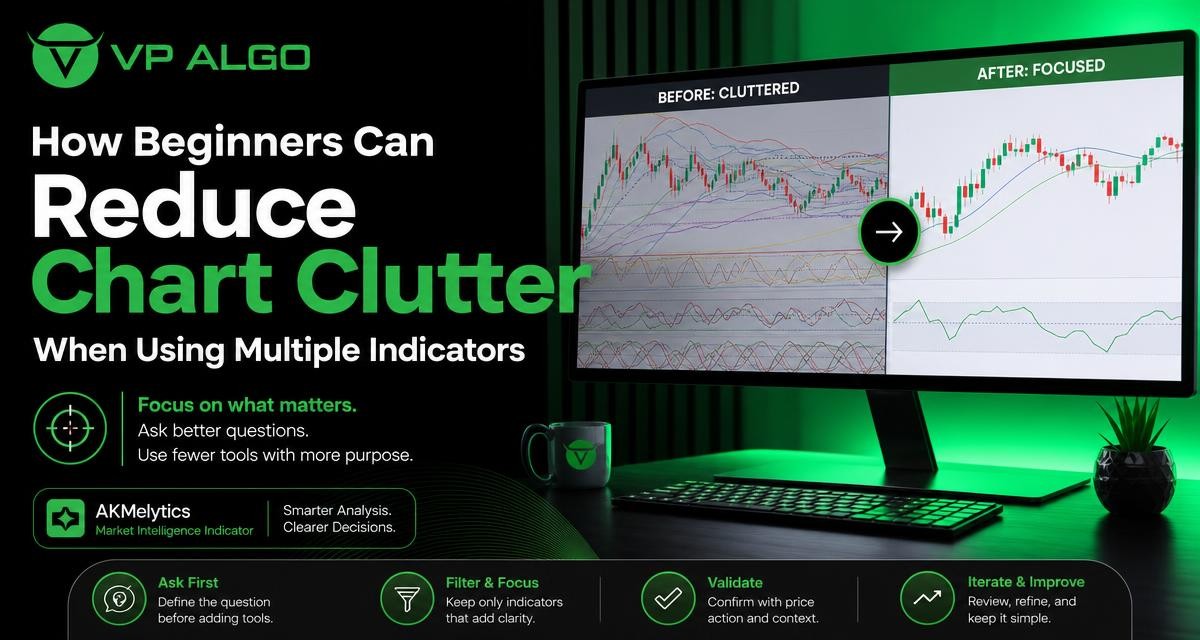
Learn how to choose a best trading indicator for a clear analytical purpose, organize TradingView tools, and avoid confusing signals from crowded charts.
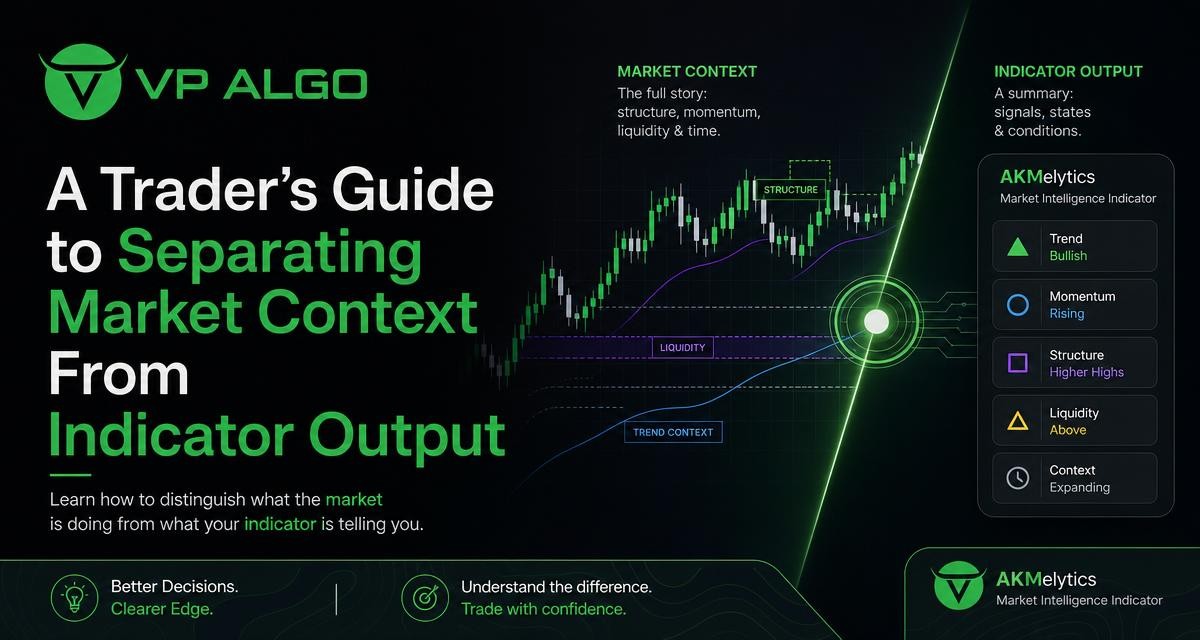
Learn how to read market conditions first and use a TradingView trading indicator as structured support rather than a substitute for chart analysis.
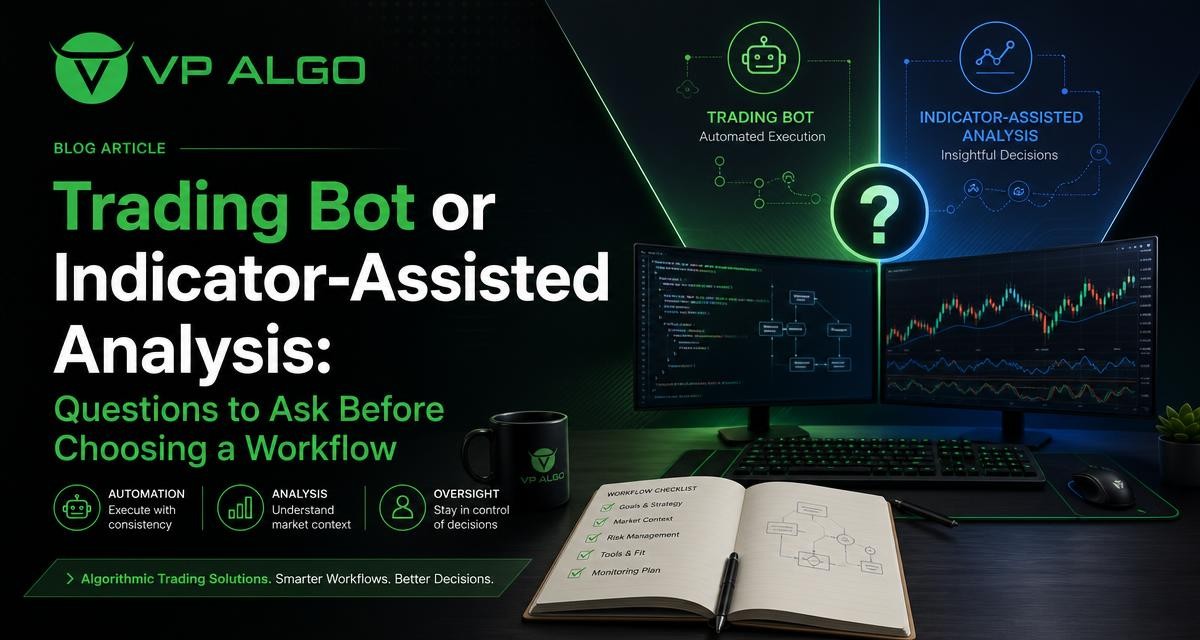
Compare trading bots with indicator-assisted analysis by examining execution, oversight, market context, risk controls and the workflow that fits your trading decisions.
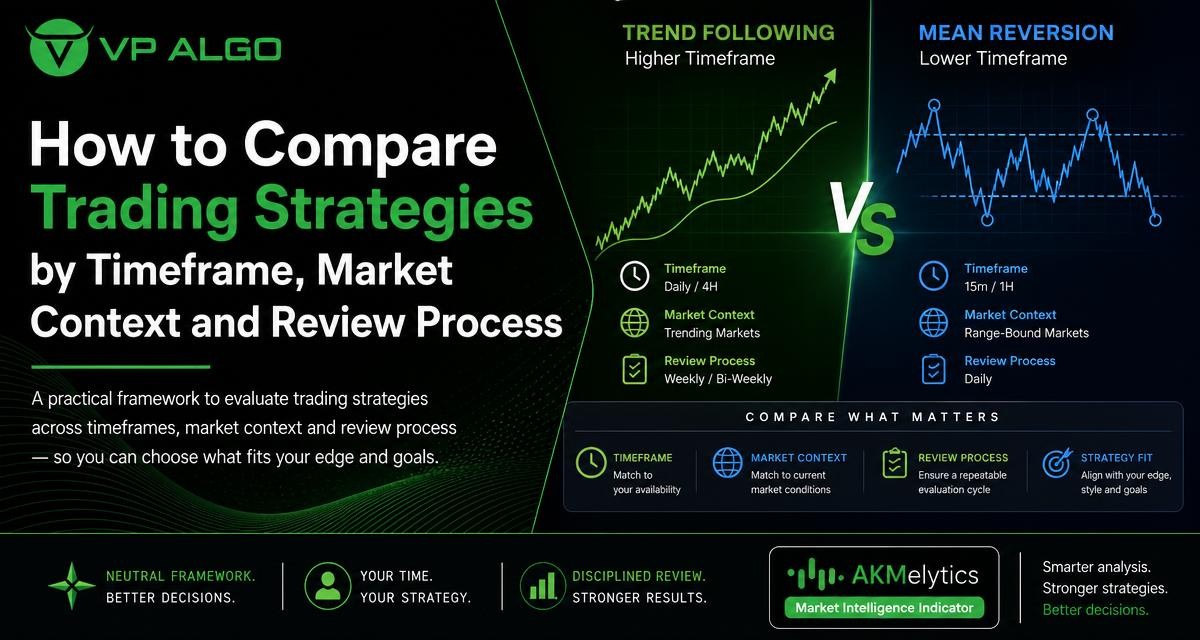
Learn how to compare trading strategies using timeframe, market context, analysis needs and a consistent review process instead of searching for one universally superior method.
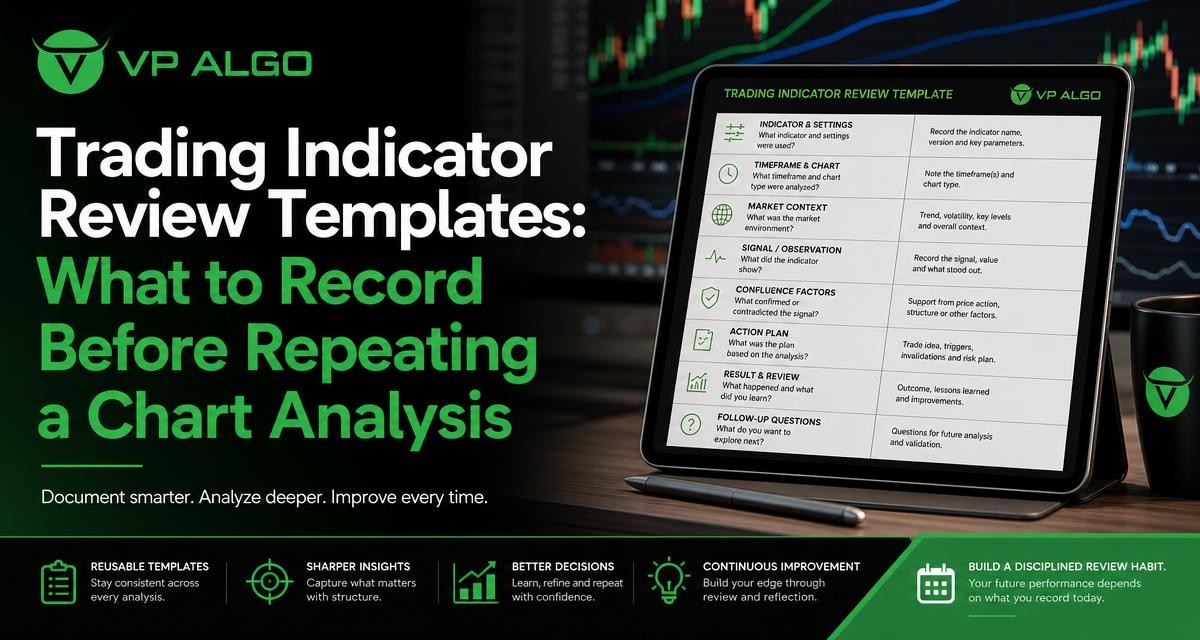
A practical trading indicator review template for recording timeframe, market context, indicator observations and follow-up questions before repeating chart analysis.
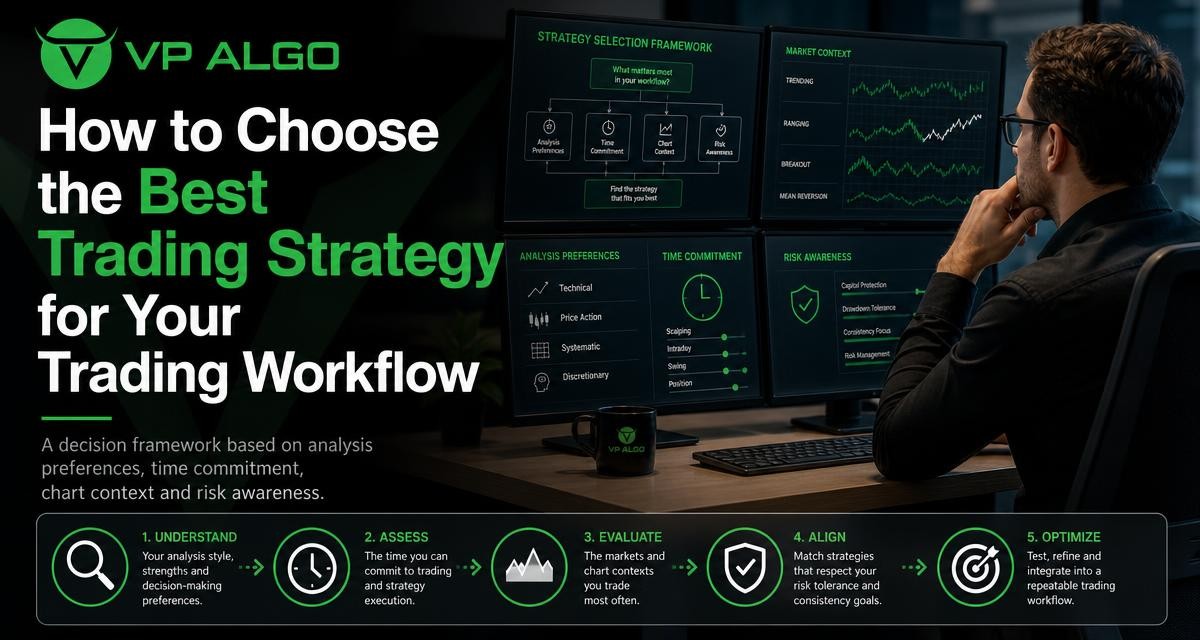
The best trading strategy is not universal. Learn how to match trading strategies to your analysis preferences, available time, chart context and risk awareness.
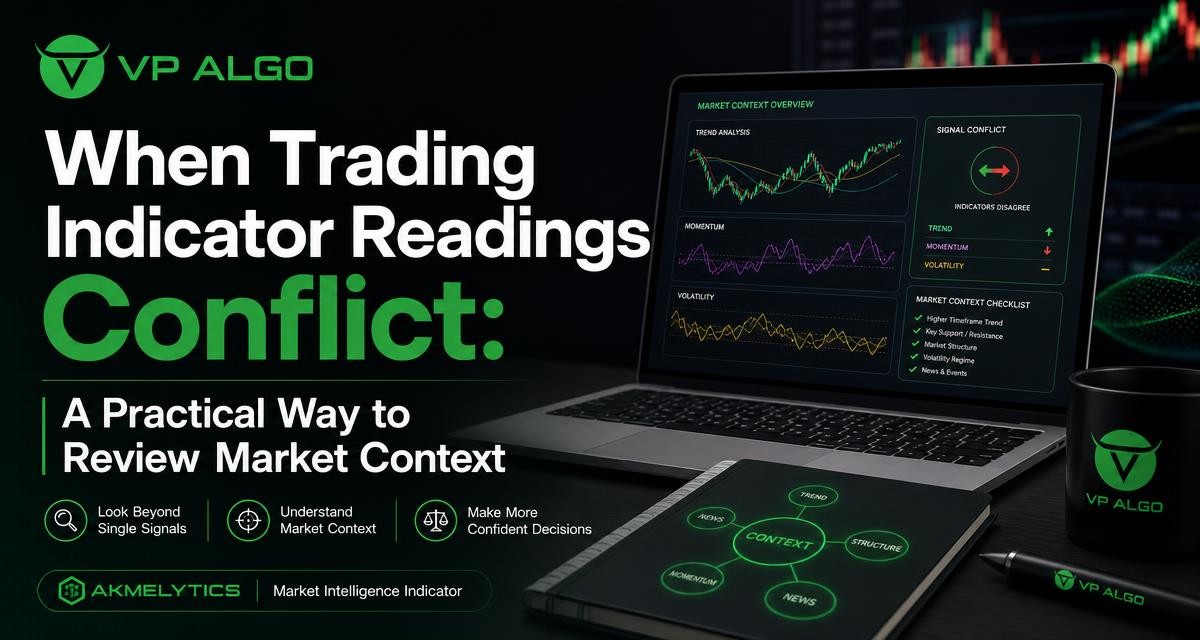
Conflicting indicator readings are common. Learn how to review trend, momentum, market structure, and broader conditions before treating a signal as meaningful.


Recent Comments