
Learn how to document changing buy and sell indications by recording timeframe, market structure, momentum, price context and decision-making notes.
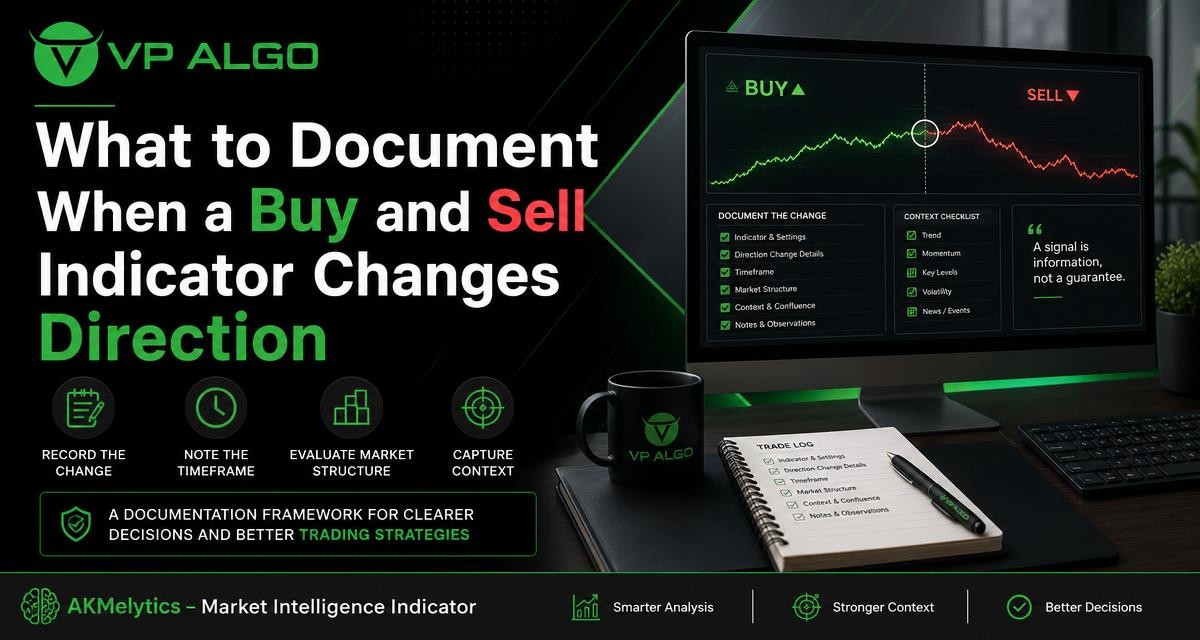
Learn how to document changing buy and sell indications by recording timeframe, market structure, momentum, price context and decision-making notes.
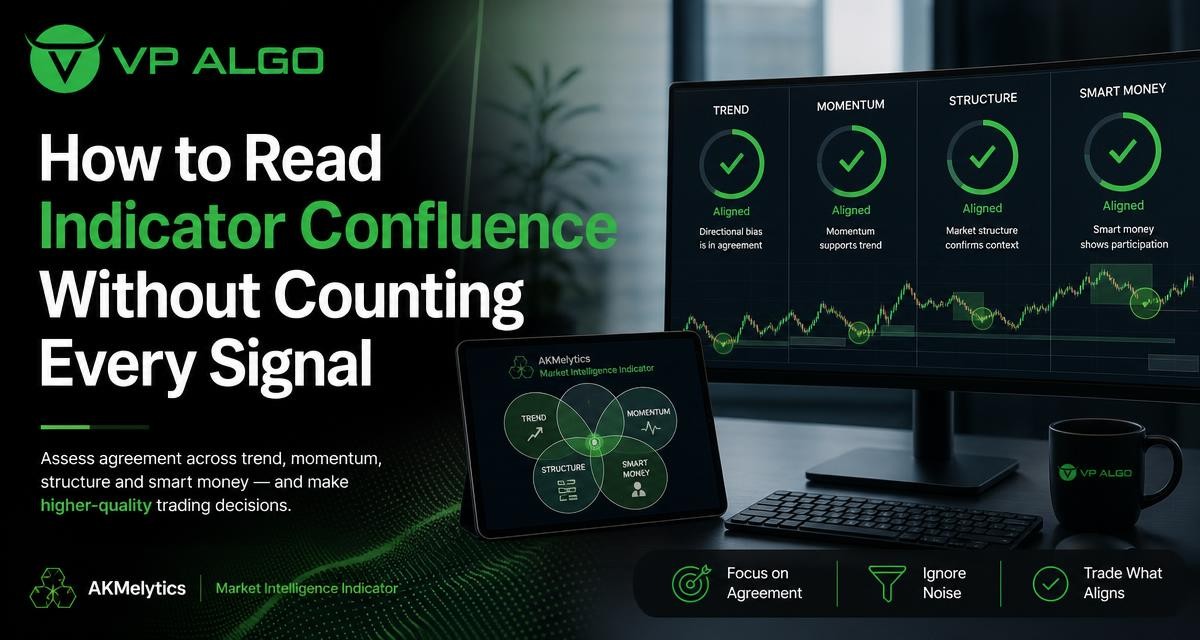
Learn how to evaluate agreement between trend, momentum, market structure and smart money observations without assuming that more signals automatically mean a stronger trade.
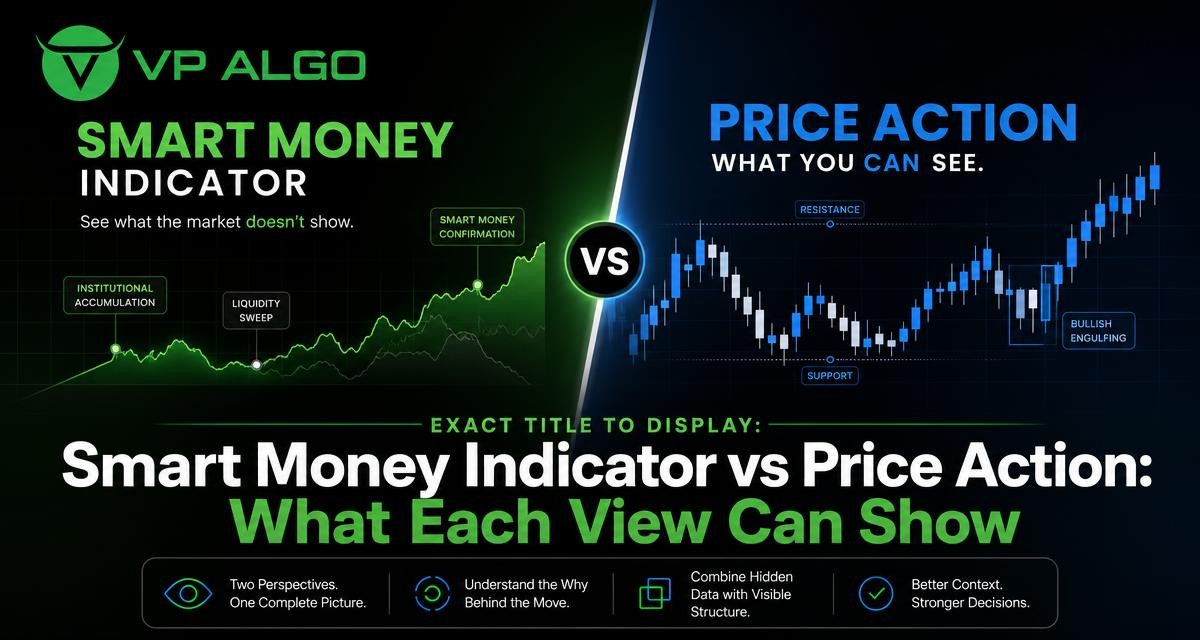
A practical comparison of smart money analysis and price action, including what each view can reveal and how traders can review them together on TradingView.
A practical review of how a smart money indicator can help traders document uncertainty when trend, momentum, market structure, and institutional activity are not aligned.

A practical framework for reviewing changes in institutional activity alongside trend, momentum and market structure before treating an indicator reading as meaningful.
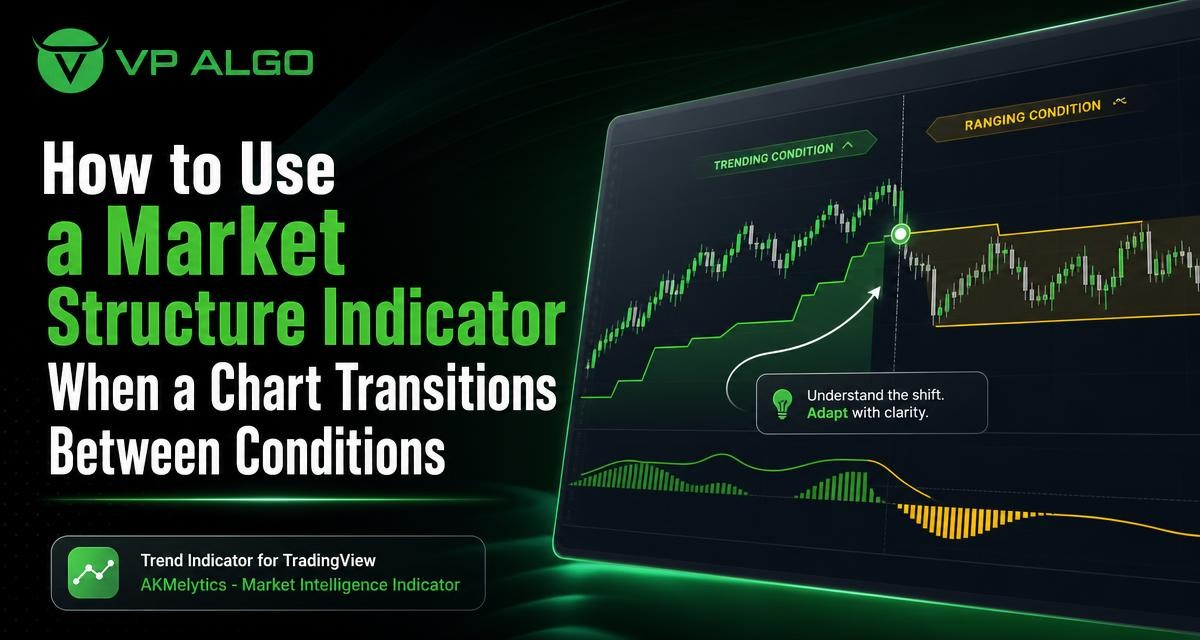
Learn how to review market structure when a chart shifts from directional movement to consolidation, including confirmation questions, timeframe checks and risk-aware analysis.
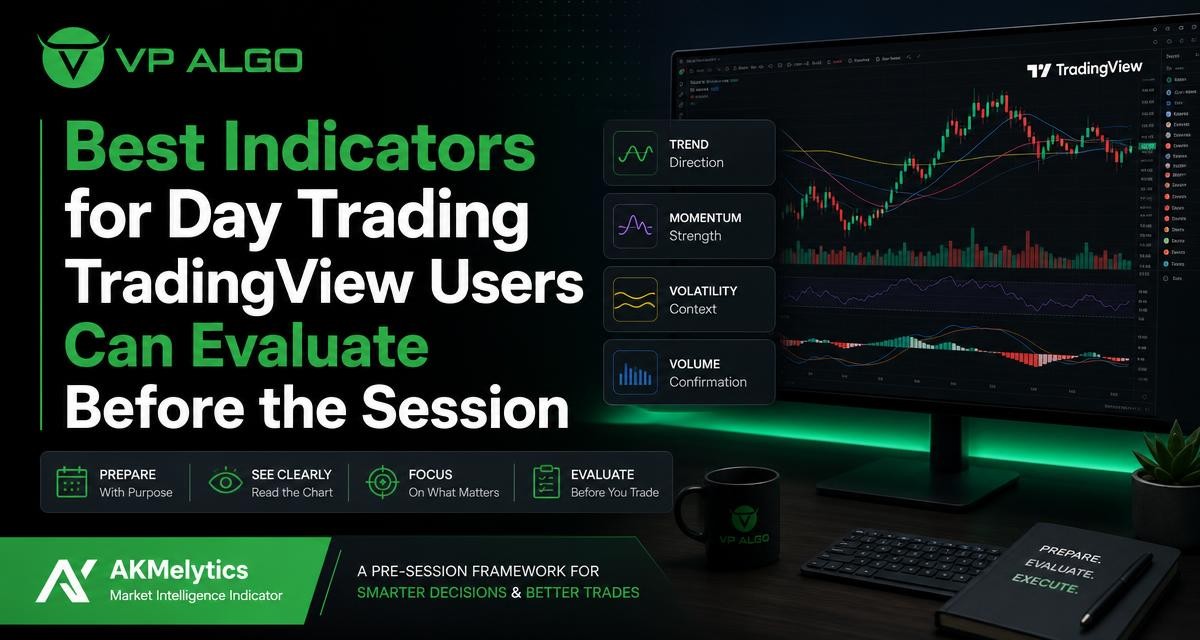
Learn how to evaluate TradingView indicators before the trading session by matching trend, momentum, market structure and smart money questions to a clear charting process.
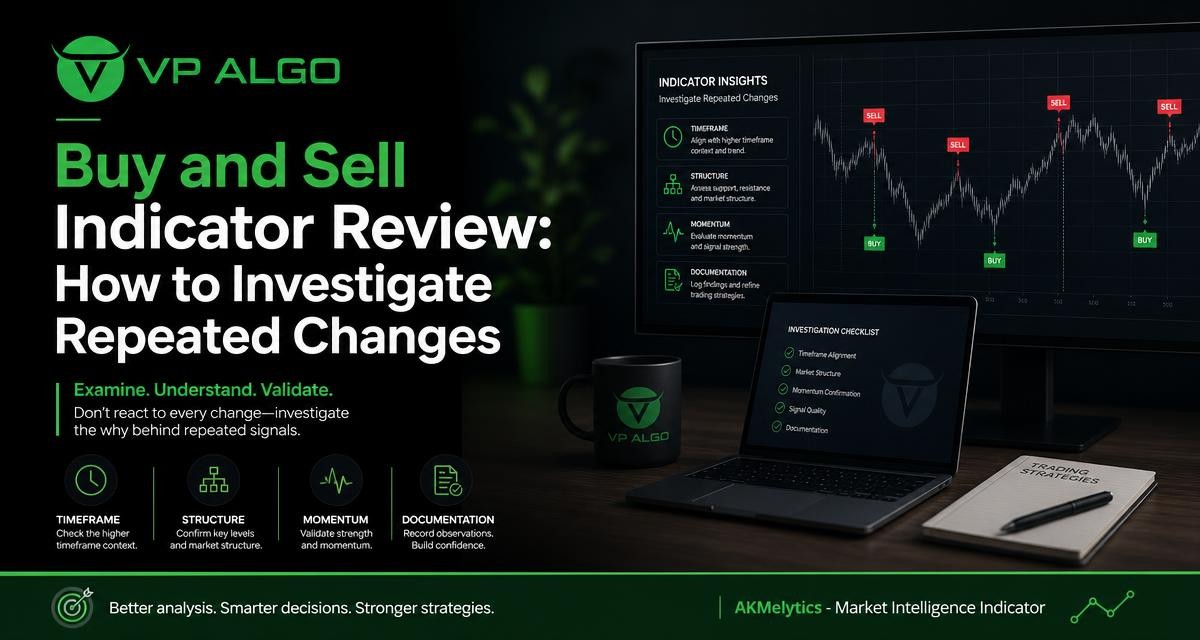
Repeated buy and sell indications need investigation, not automatic action. Learn how timeframe, market structure, momentum and documentation can explain changing signals.
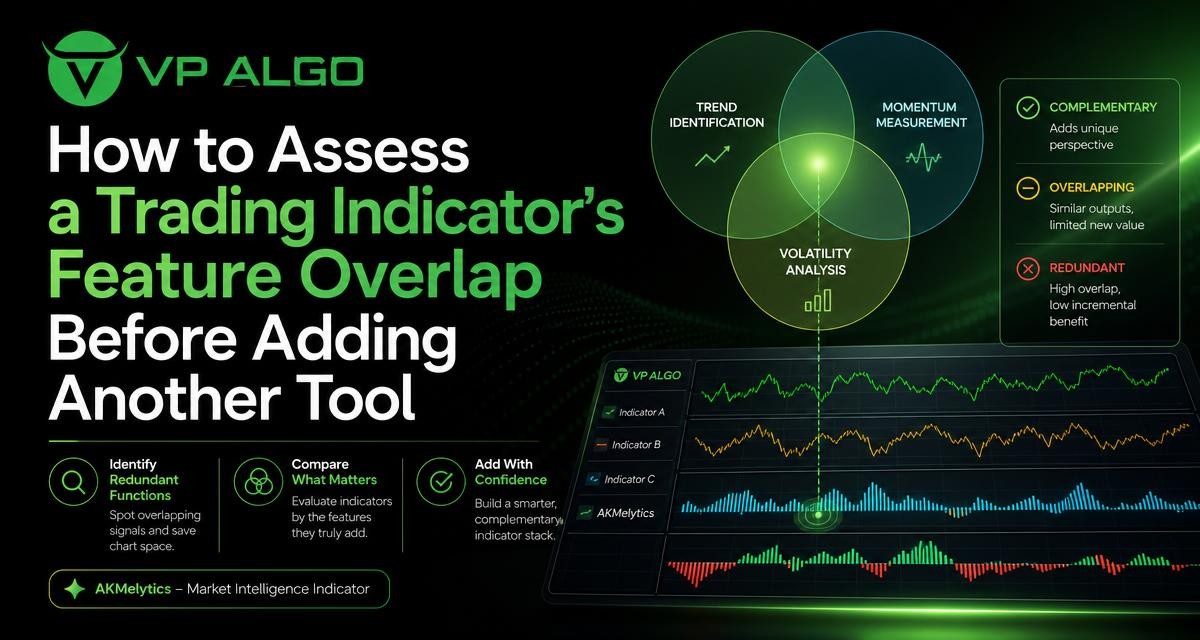
Learn how to compare trading indicators by function, identify duplicated signals, and decide whether a new TradingView tool adds useful analytical perspective.

Trading algorithms can organize market observations, but they should not replace judgment. Learn how to document assumptions, review limitations, and use indicators more responsibly.


Recent Comments