
Learn how to read market conditions first and use a TradingView trading indicator as structured support rather than a substitute for chart analysis.
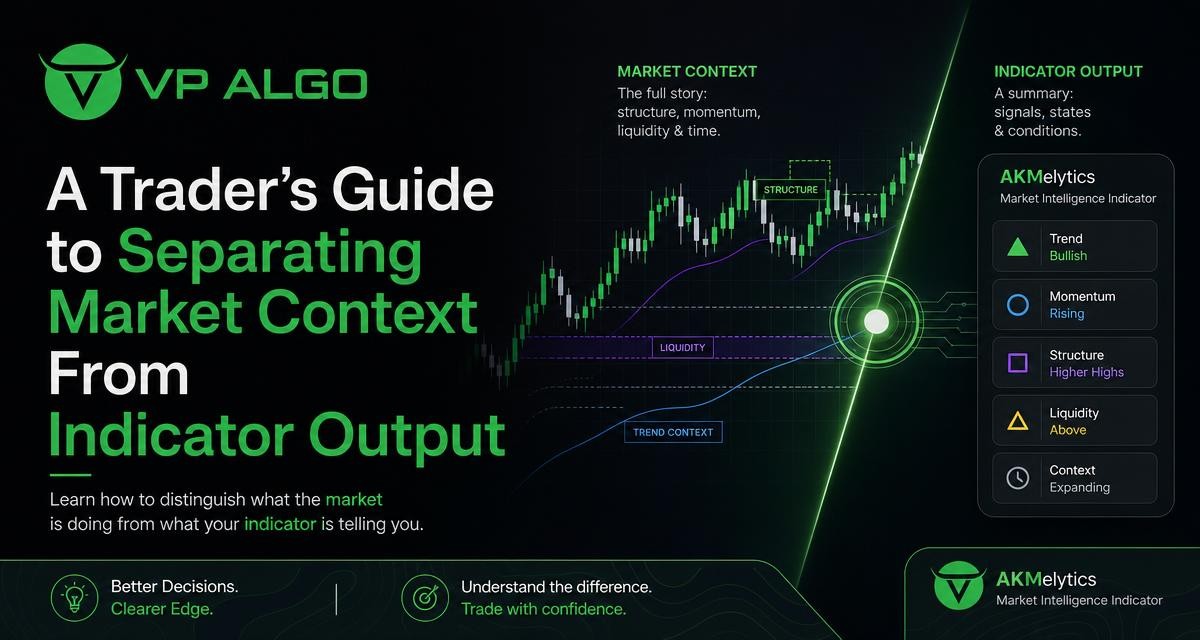
Learn how to read market conditions first and use a TradingView trading indicator as structured support rather than a substitute for chart analysis.
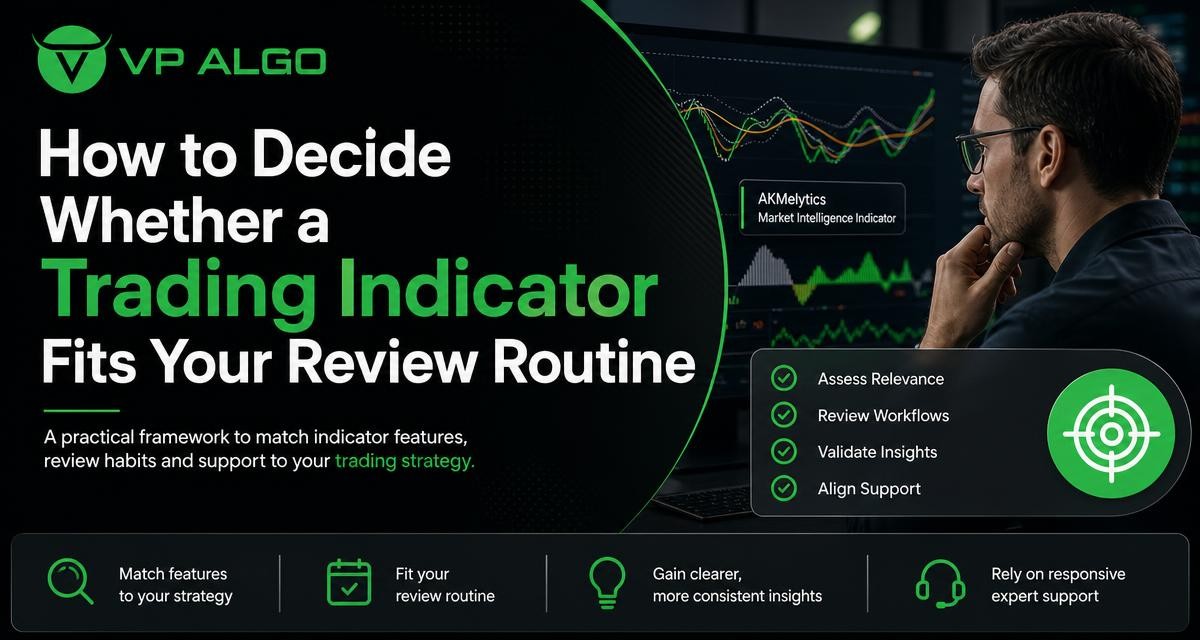
A practical guide to assessing a trading indicator by its features, review workflow, learning curve and support expectations before exploring a TradingView tool.
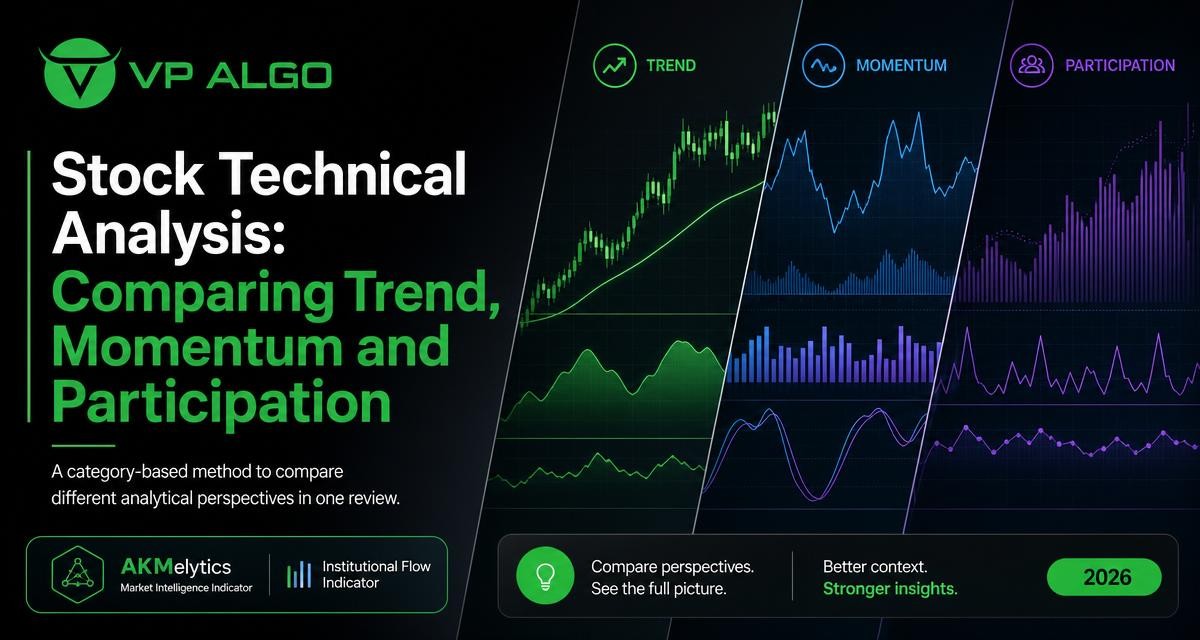
Learn how to compare trend, momentum, market structure and participation when reviewing a stock, and how a structured indicator can organize these perspectives.
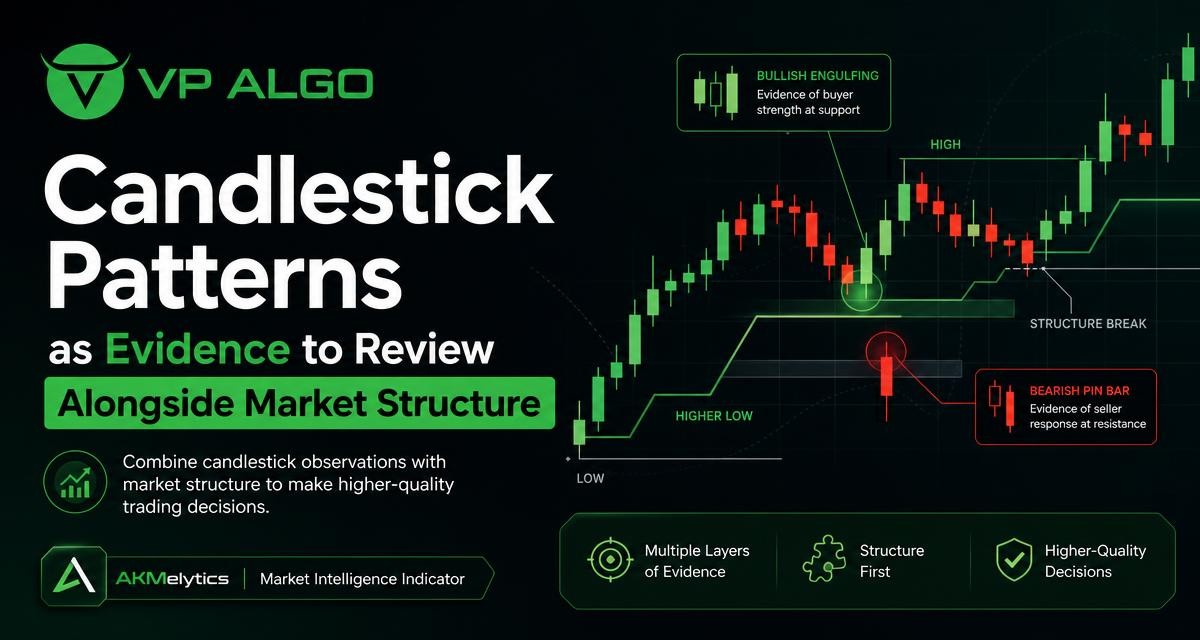
Learn how to interpret candlestick patterns as one layer of chart evidence and review them alongside market structure, momentum, trend, and broader market conditions.
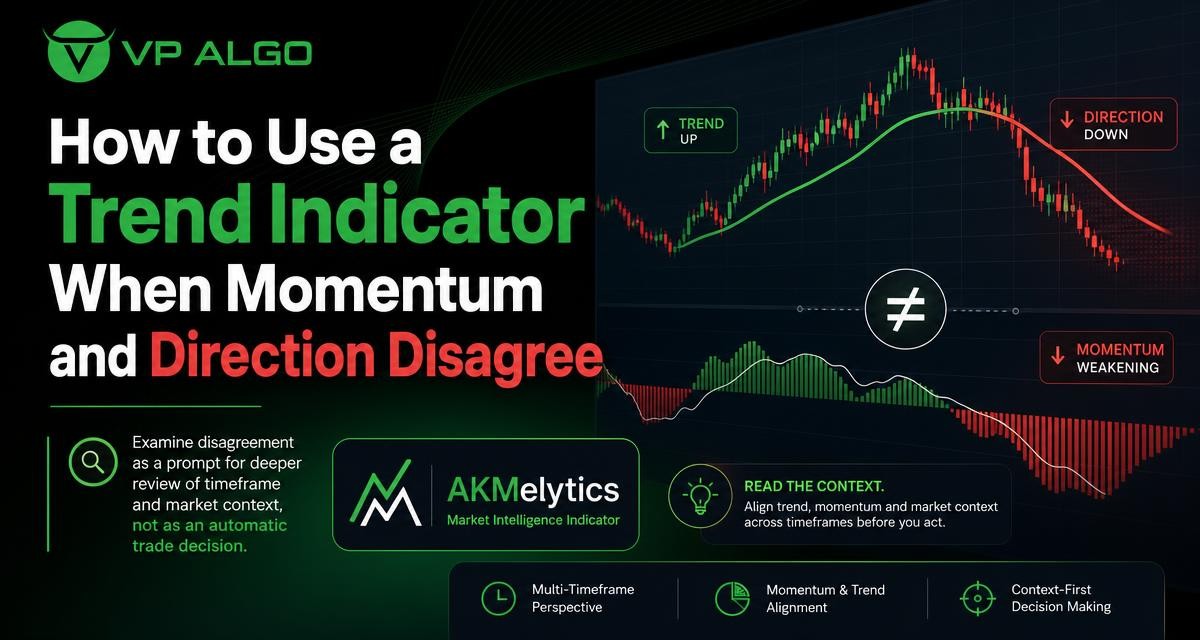
Learn how to interpret disagreement between trend and momentum indicators on TradingView by reviewing timeframe, market structure, and broader market context.
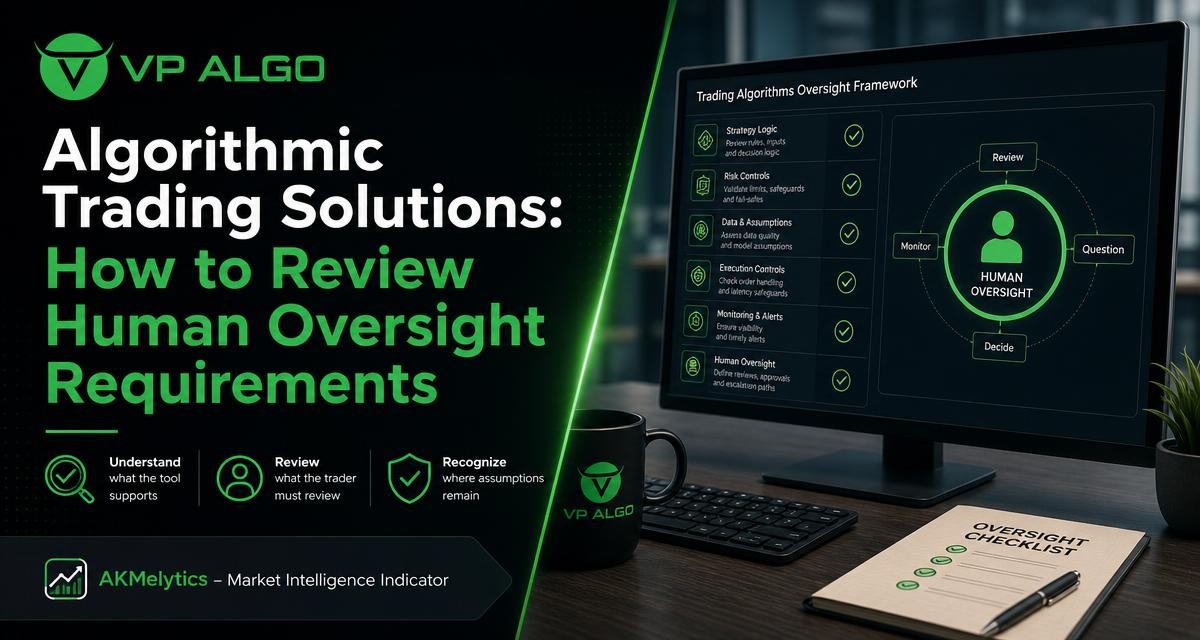
Learn how to assess algorithmic trading solutions by separating automated analysis from trader responsibility, reviewing assumptions, and building a practical oversight process.
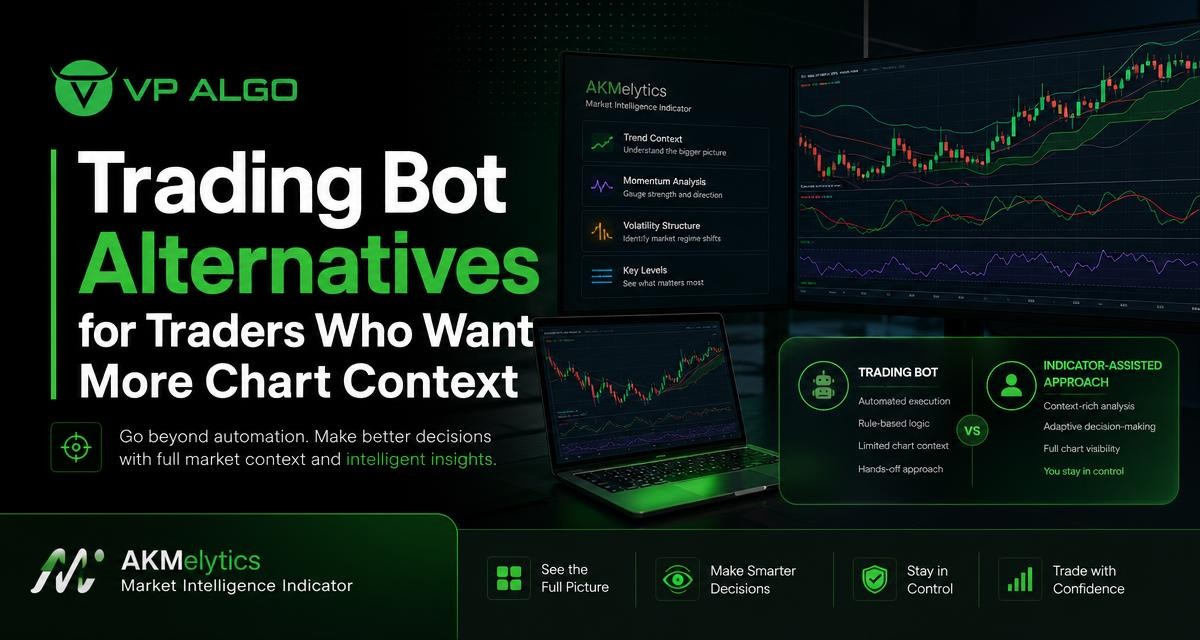
A trading bot can automate execution, but some traders want to see the market structure behind a potential setup. Learn how indicator-assisted analysis may fit.
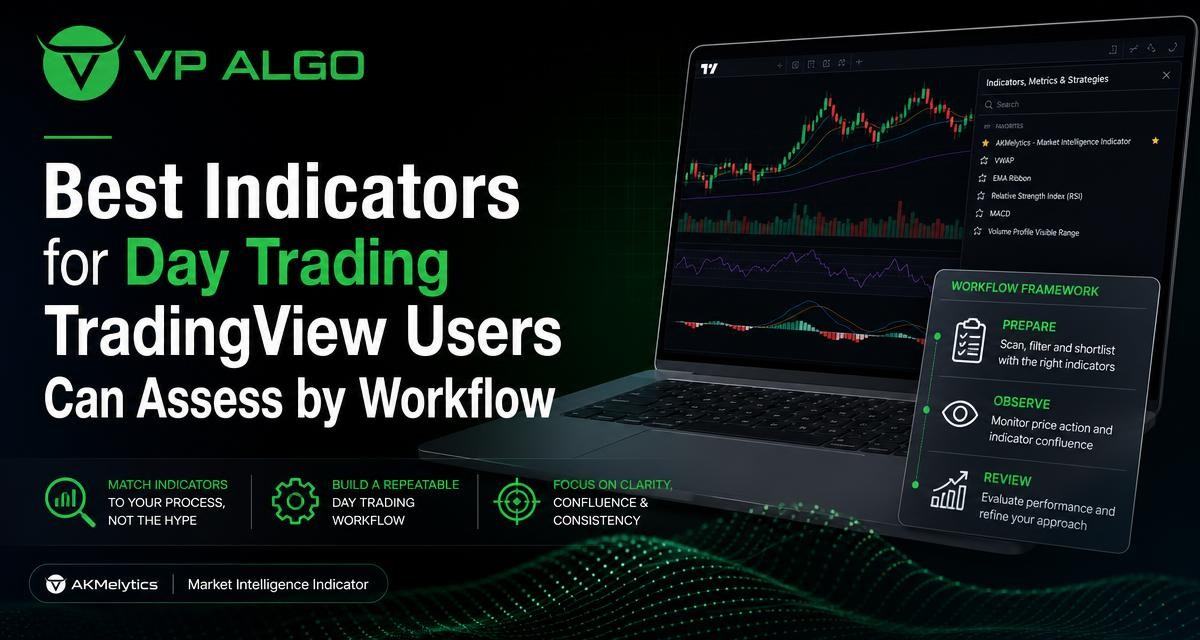
The best indicators for day trading on TradingView depend on how you prepare, observe and review charts. Compare indicator roles by workflow instead of chasing a universal winner.
Free TradingView indicators can be useful, but access, setup and support deserve the same attention as chart features. Use these practical questions to compare tools clearly.
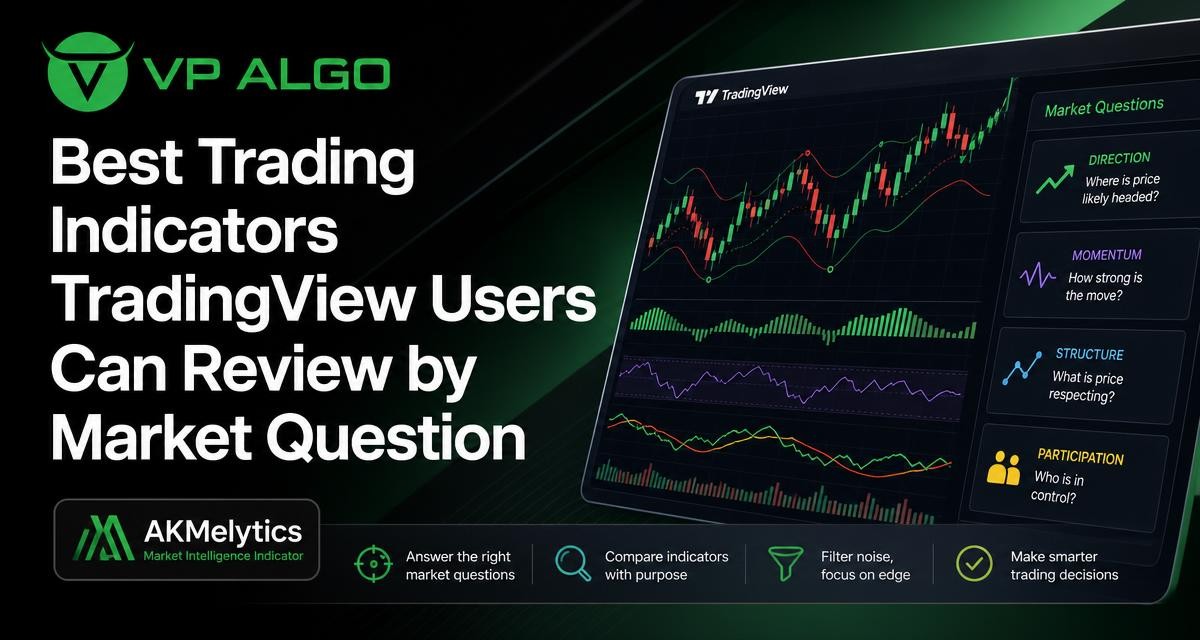
There is no universal best indicator for every chart. Learn how to review TradingView indicators by the market question you need to answer, including direction, momentum, structure and participation.


Recent Comments