
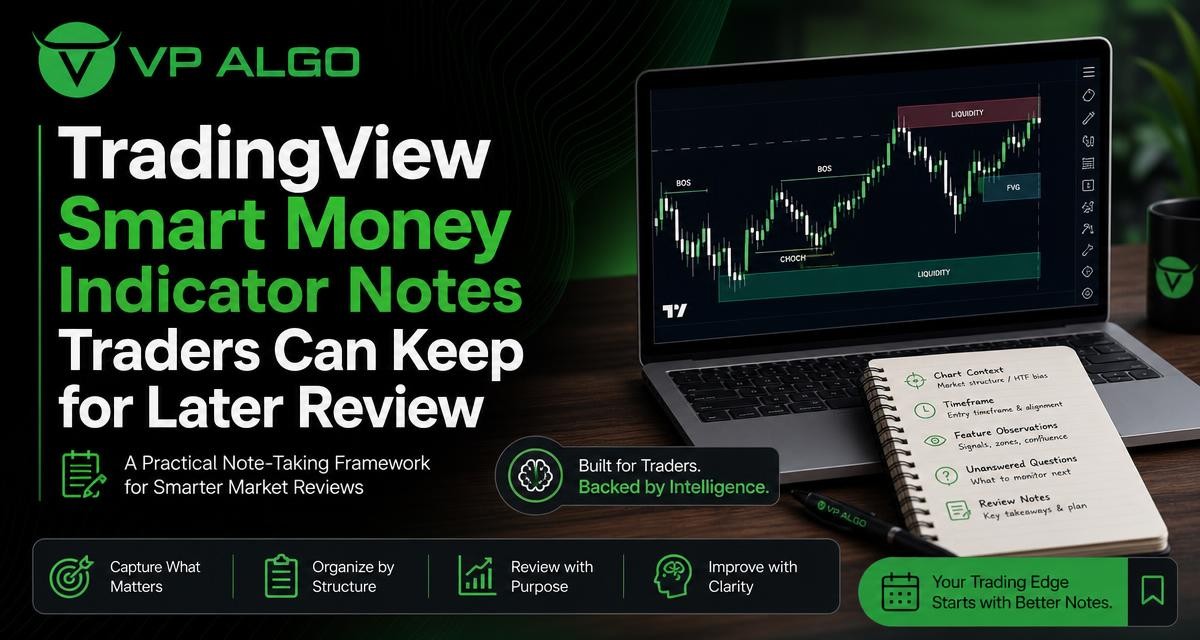
A practical note-taking framework for reviewing chart context, timeframes, market structure, momentum, institutional activity and smart money conditions in TradingView.
VP ALGO TRADING > Blog > 2026
A practical note-taking framework for reviewing chart context, timeframes, market structure, momentum, institutional activity and smart money conditions in TradingView.
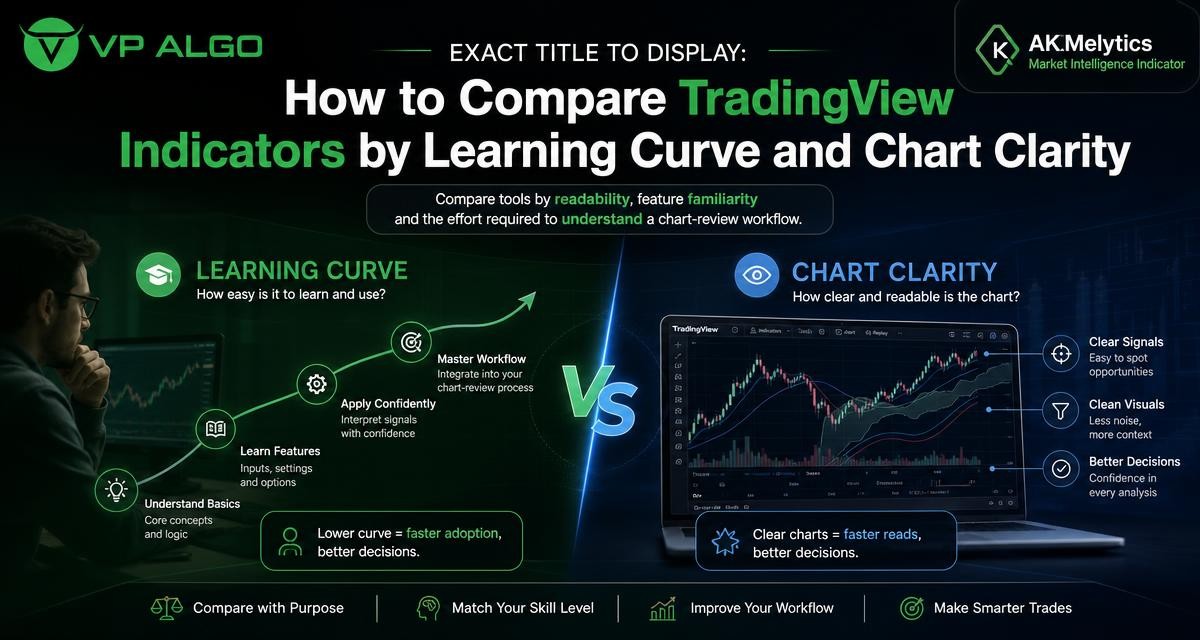
Learn how to compare the best trading indicators on TradingView by readability, feature familiarity, chart clarity and the effort required to review market conditions.
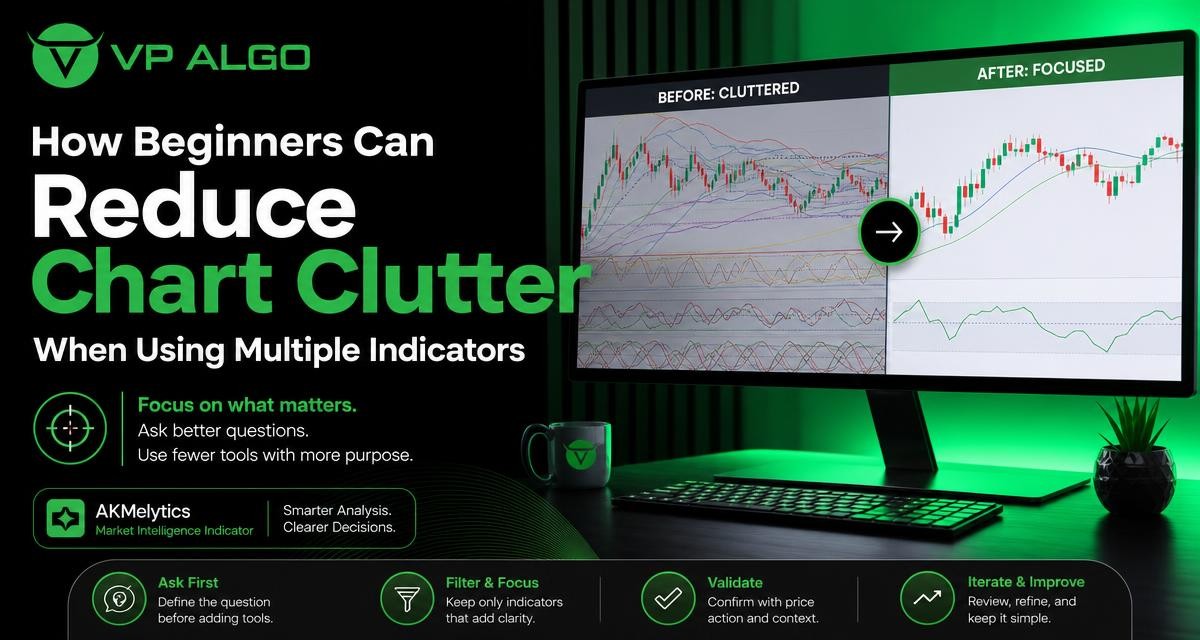
Learn how to choose a best trading indicator for a clear analytical purpose, organize TradingView tools, and avoid confusing signals from crowded charts.
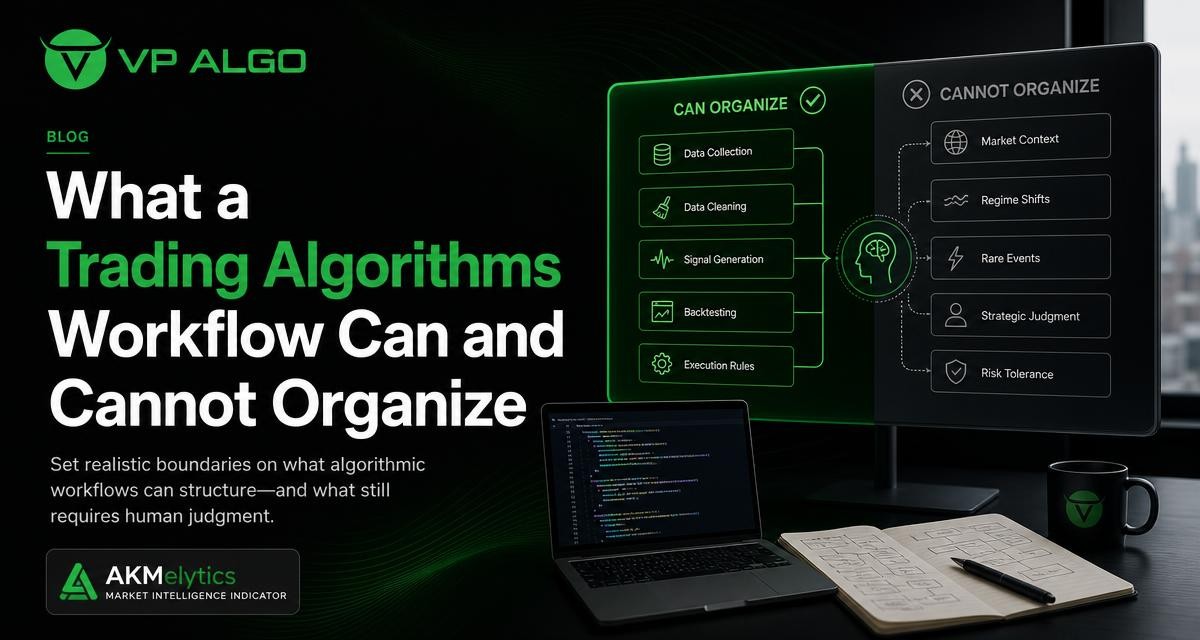
Trading algorithms can organize market observations into a clearer workflow, but they cannot replace context, judgment, risk awareness, or human interpretation.
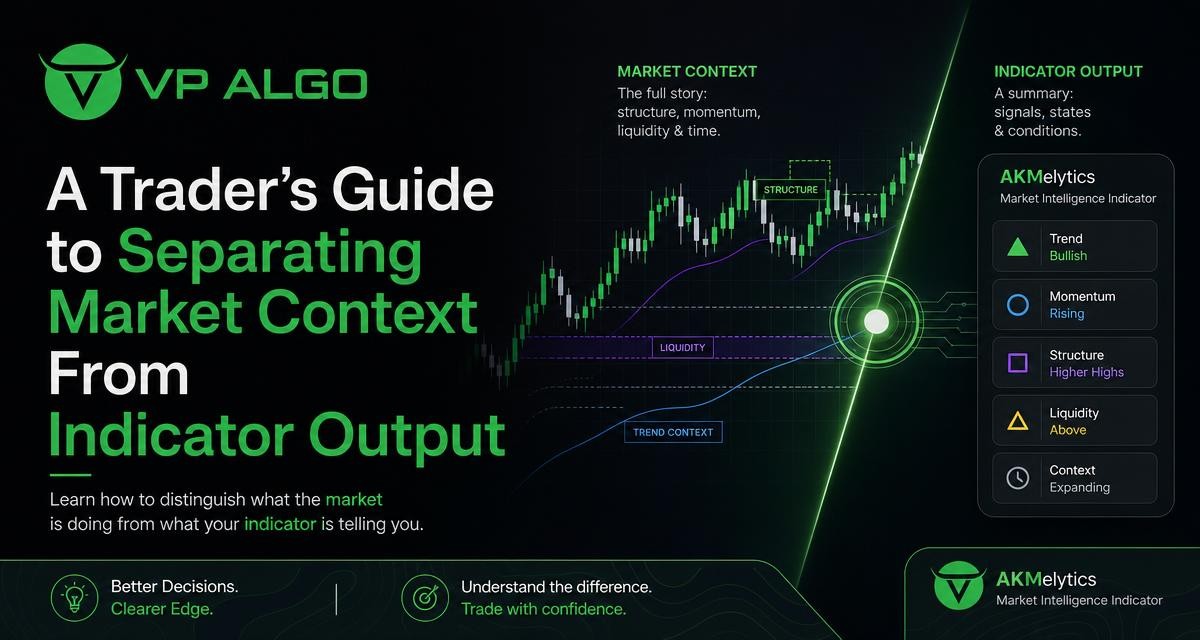
Learn how to read market conditions first and use a TradingView trading indicator as structured support rather than a substitute for chart analysis.
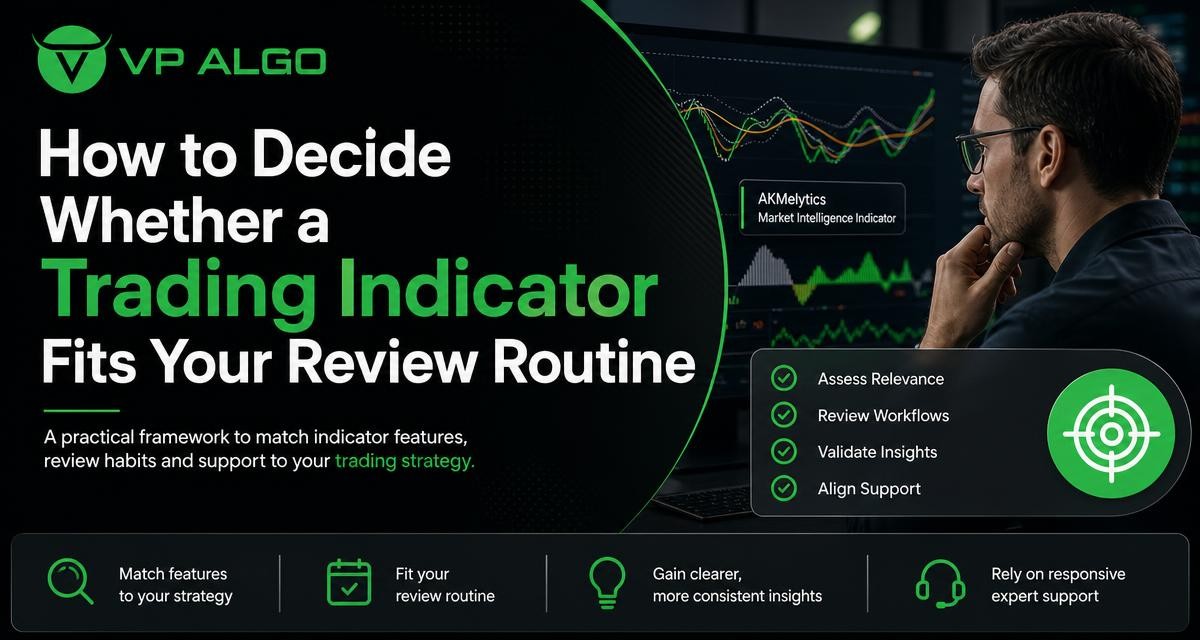
A practical guide to assessing a trading indicator by its features, review workflow, learning curve and support expectations before exploring a TradingView tool.
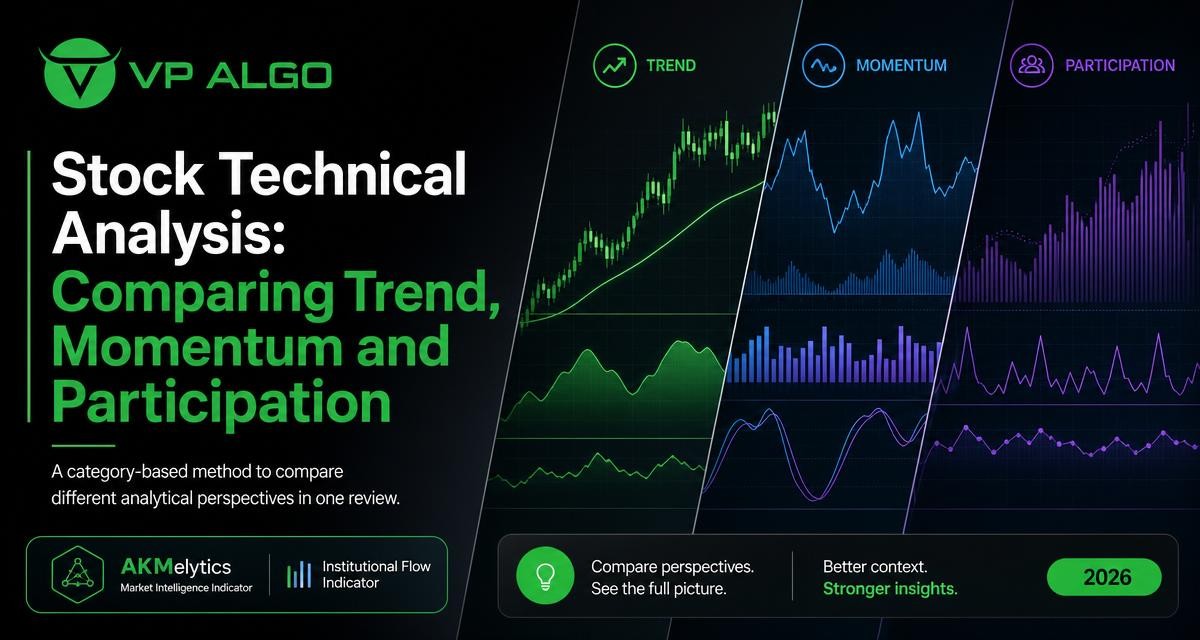
Learn how to compare trend, momentum, market structure and participation when reviewing a stock, and how a structured indicator can organize these perspectives.
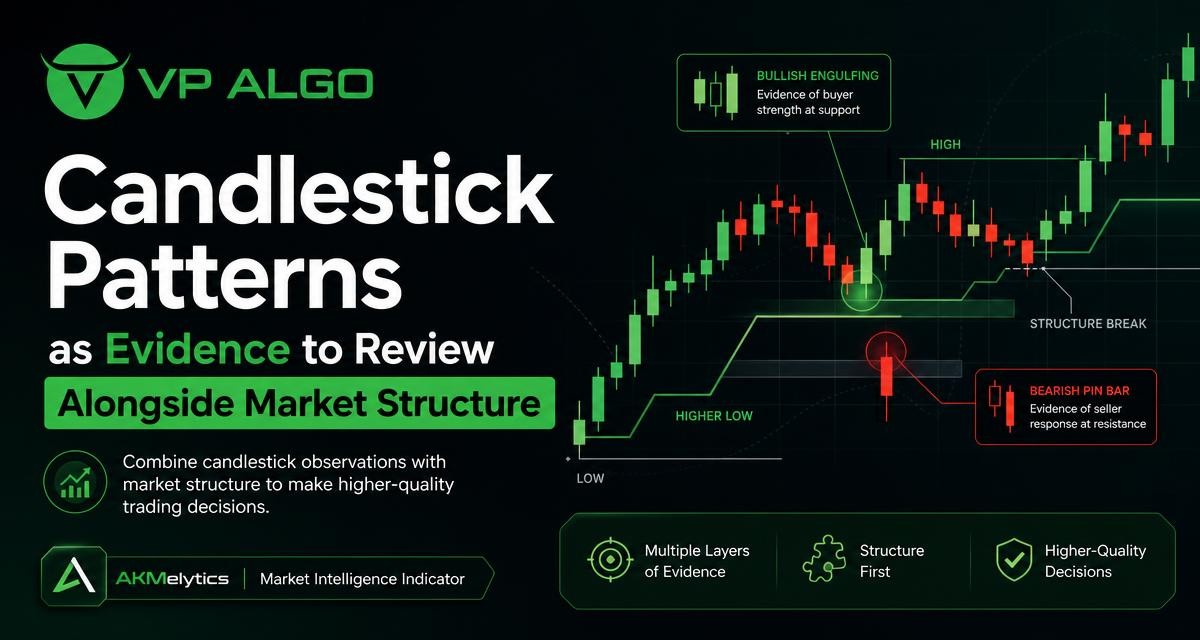
Learn how to interpret candlestick patterns as one layer of chart evidence and review them alongside market structure, momentum, trend, and broader market conditions.
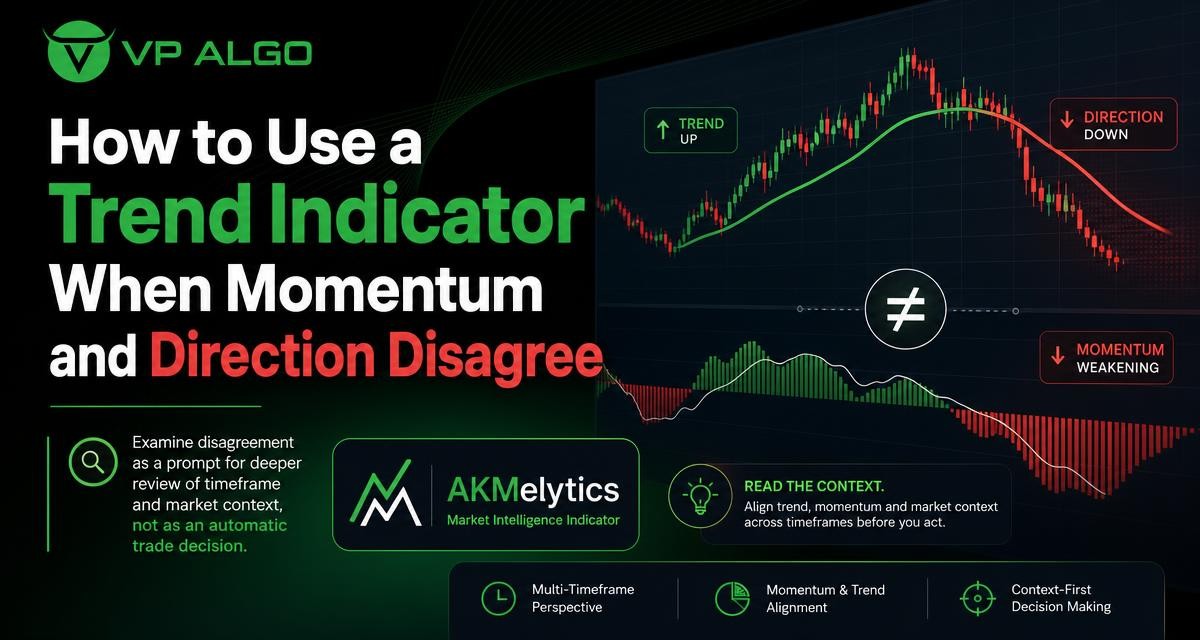
Learn how to interpret disagreement between trend and momentum indicators on TradingView by reviewing timeframe, market structure, and broader market context.
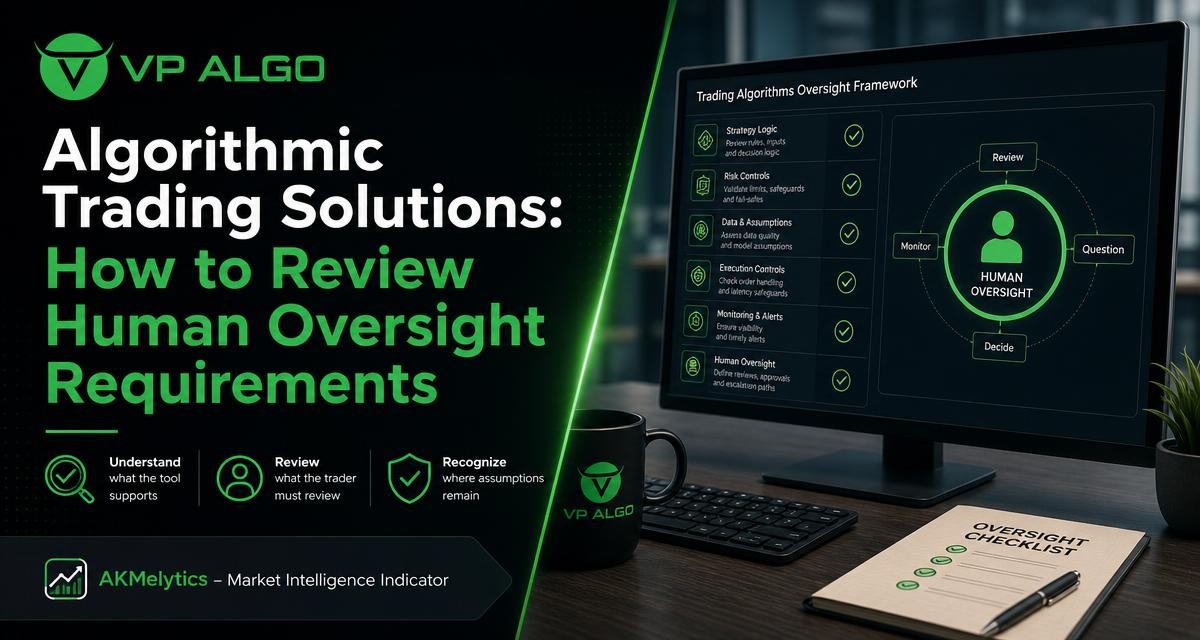
Learn how to assess algorithmic trading solutions by separating automated analysis from trader responsibility, reviewing assumptions, and building a practical oversight process.


Recent Comments